How Word of Mouth Helps Amish Measles Response
How Word of Mouth Helps an Amish Community Respond to Measles
When measles spreads through a community, public-health officials need more than vaccines and clinic capacity. They also need reliable ways to share accurate information quickly.
In Pennsylvania’s Amish communities, word of mouth has become an important part of that effort. Health information can travel through family members, neighbors, congregational relationships, community leaders, healthcare providers, and local social networks. These conversations help residents learn about measles, understand vaccination options, and connect with medical services.
Pennsylvania’s outreach to Amish residents relies heavily on word-of-mouth communication, according to reporting on the response Source 5.
This approach does not replace doctors, clinics, or health departments. It connects those services with households that may not receive conventional public-health messages. It also recognizes that vaccination decisions are shaped by medical facts, trust, access, personal experience, and conversations with people a family knows.
The Amish community is not uniform. Healthcare practices, beliefs, access to care, and vaccination decisions vary among families and settlements. An effective response must avoid treating Amish residents as a single group.
Why Measles Requires Community Outreach
Measles is highly contagious and can spread quickly among people who lack immunity. During an outbreak, public-health teams must identify people who may have been exposed, explain symptoms and prevention, provide vaccination information, and guide residents toward medical care.
Containing a serious outbreak can involve case investigations, exposure notifications, healthcare coordination, vaccination outreach, and community education. The Washington Post’s reporting highlights the behind-the-scenes work required to contain a major outbreak Source 7.
In rural communities, households may be spread across large areas, making rapid communication difficult. A general announcement may not answer a family’s specific questions or reach people who do not regularly use mainstream media or digital platforms.
Personal communication can help fill that gap. A neighbor may share where to obtain information. A relative may explain why vaccination is being discussed. A trusted community contact may encourage someone with questions to speak with a healthcare professional.
Some Residents Are Reconsidering Vaccination
The outbreak is prompting some Amish residents to reconsider vaccination. The New York Times reports that some people in Amish Country are reconsidering vaccination because of the outbreak Source 9.
This does not mean that every Amish resident opposes vaccination or that the entire community is changing its position. It shows that an outbreak can cause some families to revisit earlier decisions.
Before an outbreak, measles may seem distant or abstract. When illness affects neighbors or acquaintances, the perceived risk can become more immediate. Families may then consider the danger of infection, possible transmission to children or vulnerable relatives, vaccine concerns, professional medical advice, and access to vaccination services.
Reconsidering vaccination is an individual or family decision. Personal experience may influence that decision, but it is only one factor among many.
Why Word of Mouth Matters
People often pay close attention to information from someone they know. In Amish communities, health information may travel through:
- Family networks
- Neighbors
- Congregational relationships
- Community leaders
- Local businesses
- Social gatherings
- Healthcare providers
A recommendation from a trusted person may receive more attention than a broad public announcement. Personal conversations also allow residents to ask questions and request practical details, such as where vaccination is available, whether an appointment is required, what documents are needed, or whom to contact after possible exposure.
A trusted messenger can direct residents to qualified providers or official health departments. Trust does not mean accepting every claim without question. It creates enough confidence for people to ask questions and consider reliable answers.
A Bridge to Formal Healthcare
Word of mouth can help public-health workers identify households that need information and share details about vaccination or medical advice. It can also clarify instructions that may seem complicated in a general notice.
However, information can become distorted as it moves from person to person. Incorrect claims about symptoms, exposure, vaccine safety, or treatment can spread as quickly as reliable guidance.
Word of mouth should therefore serve as a bridge to formal healthcare, not a substitute for it. Community contacts can encourage residents to seek professional advice, while health departments and providers supply medical information and services.
The Role of Trusted Messengers
Trusted messengers may understand local customs, family structures, transportation challenges, and concerns about accessing care. They can turn a broad recommendation into a practical next step:
- Where to seek medical advice
- How to contact a healthcare provider
- Whether an appointment is needed
- What vaccination involves
- What to do after possible exposure
- When symptoms require urgent attention
Messengers should not pressure families, exaggerate risks, promise medical outcomes, or present personal opinions as professional advice. They should direct residents to qualified healthcare providers and official public-health agencies.
How Pennsylvania’s Outreach Can Work
Effective outreach is a two-way process. A listening-based model may involve these steps:
- Health workers listen to residents’ questions and concerns.
- They identify misinformation, confusion, or missing information.
- They provide evidence-based answers.
- Residents discuss the information within their personal networks.
- Families decide whether to seek vaccination or additional medical advice.
Questions may concern vaccine safety, transportation, cost, scheduling, children’s health, or possible exposure. Listening reveals barriers that broad media campaigns may overlook and signals that residents’ concerns are being taken seriously.
Communication cannot control an outbreak if residents cannot access vaccination or clinical care. Outreach may require convenient vaccination locations, flexible hours, clear appointment instructions, trained staff, exposure guidance, and follow-up from healthcare or public-health workers.
Services vary by location and should be confirmed through local health departments and healthcare providers. Outreach messages should include current contact details rather than outdated information.
People with possible measles symptoms should contact a medical provider before arriving in person. Advance notice allows staff to provide instructions and reduce exposure to other patients.
Word of mouth works best alongside printed notices, community announcements, healthcare-provider conversations, telephone calls, and public-health websites. Different households rely on different channels, and consistency is essential. Conflicting instructions from community contacts, printed materials, and providers can increase uncertainty.
Trust and Vaccine Decisions
An outbreak can make a previously distant disease feel immediate. Families may consider:
- The risk of measles infection
- Possible transmission to children or vulnerable relatives
- Questions about vaccine safety
- Advice from medical professionals
- Experiences reported by neighbors or acquaintances
- The availability and convenience of vaccination services
Personal stories can make risk easier to understand, but they do not provide a complete medical assessment. Vaccination decisions should be informed by qualified healthcare professionals and current public-health guidance.
Public-health messaging should not portray Amish residents as uniformly resistant, uninformed, or opposed to medicine. Such descriptions are inaccurate and can damage the relationships needed during an outbreak.
Respectful communication should recognize legitimate questions, avoid ridicule and pressure, respect cultural and religious differences, separate misinformation from the people who encounter it, and provide a clear path to professional advice. Correcting inaccurate information does not require attacking the people who heard it.
Community messengers should share practical, verifiable information rather than speculate about individual cases or unconfirmed treatments. Residents should verify claims about measles symptoms, exposure, vaccines, and treatment with healthcare professionals, state or local health departments, and official public-health resources.
What the Broader Response Shows
Measles outbreak control requires coordination among public-health agencies, healthcare workers, laboratories, community contacts, and families. Common activities include:
- Investigating suspected cases
- Identifying people who may have been exposed
- Sharing prevention and symptom information
- Offering vaccination guidance
- Coordinating medical care
- Educating communities
- Monitoring changes in the outbreak
The Washington Post’s reporting emphasizes the extensive containment work that occurs behind the scenes during a major outbreak Source 7.
Community communication supports this larger system by helping information reach households and helping officials understand local concerns. The same principle can benefit rural areas, immigrant communities, religious groups, and other underserved populations.
Word of mouth cannot create vaccine supplies, eliminate transportation problems, provide diagnosis, or guarantee that every household receives the same information. Personal outreach needs institutional support, including accurate information, accessible services, trained staff, and clear follow-up procedures.
More discussion does not automatically prove increased vaccination or reduced transmission. Claims about campaign success require verified public-health data.
Lessons for Future Outbreaks
Health departments should build relationships with community leaders, healthcare providers, and trusted local contacts before an outbreak begins. Preparedness can include:
- Identifying trusted messengers
- Preparing plain-language materials
- Confirming vaccination access
- Creating a process for answering questions
- Updating contact lists
- Establishing communication protocols
Every outreach message should answer five questions:
- What is happening?
- Who may be at risk?
- What should people do now?
- Where can they get help?
- Who can answer questions?
Messages should explain the immediate action before presenting technical details and should include current links or contact information from official health authorities and qualified healthcare providers.
Public-health teams can evaluate outreach by tracking residents contacted, vaccination appointments requested, common questions, continuing information gaps, and changes in outbreak activity. These measures require careful interpretation. More conversations do not necessarily mean more vaccinations, and changes in reported cases may have several causes.
Conclusion: Trust Is a Public-Health Tool
Pennsylvania’s measles-vaccine outreach to Amish residents shows how trusted community relationships can support outbreak response. Word of mouth carries information through family, neighbor, congregational, and community networks. It can reach residents who may not encounter conventional media messages and encourage them to seek professional advice.
The approach works best when it combines familiar messengers, two-way conversations, accurate medical guidance, and practical access to vaccination. It does not replace healthcare providers or public-health agencies.
The broader lesson is clear: outbreak control depends on both medical resources and social trust. Respectful, reliable communication can help families make informed decisions during a fast-moving health emergency.
Residents should verify current measles and vaccination guidance through qualified healthcare professionals, local health departments, and official public-health agencies.
Frequently Asked Questions
Why is word of mouth important in Amish communities during a measles outbreak?
Word of mouth reaches residents through trusted family, neighbor, congregational, and community relationships. Pennsylvania’s outreach relies heavily on these networks to share vaccine information and connect residents with healthcare services Source 5.
Are Amish people opposed to measles vaccination?
The Amish community is not uniform. Individual families and settlements make different healthcare decisions. Reporting indicates that some Amish residents are reconsidering vaccination because of the outbreak, but that does not describe every member of the community Source 9.
How can residents verify information shared through word of mouth?
Residents should confirm medical claims with qualified healthcare professionals, local health departments, or official public-health sources. Verification helps prevent inaccurate information about measles symptoms, exposure, vaccines, and treatment from spreading.
Why can measles outbreaks require special outreach?
Measles spreads easily among people without immunity. Public-health teams may need to reach households quickly, explain exposure risks, provide vaccination information, and coordinate care. Community-based communication can reach residents who may not see conventional public-health announcements.
What should someone do after possible measles exposure?
People with possible exposure should follow current guidance from a healthcare provider or local health department. Anyone with symptoms should contact a medical provider before visiting in person. Staff can provide instructions and reduce the risk of exposing other patients. Confirm the latest guidance before acting.
Does word of mouth replace healthcare providers or public-health agencies?
No. Word of mouth helps deliver information and build trust, but vaccination decisions, diagnosis, and outbreak control require qualified healthcare professionals and public-health authorities. Personal networks work best when they share accurate guidance and connect residents with accessible services.
Artikel Terkait
-
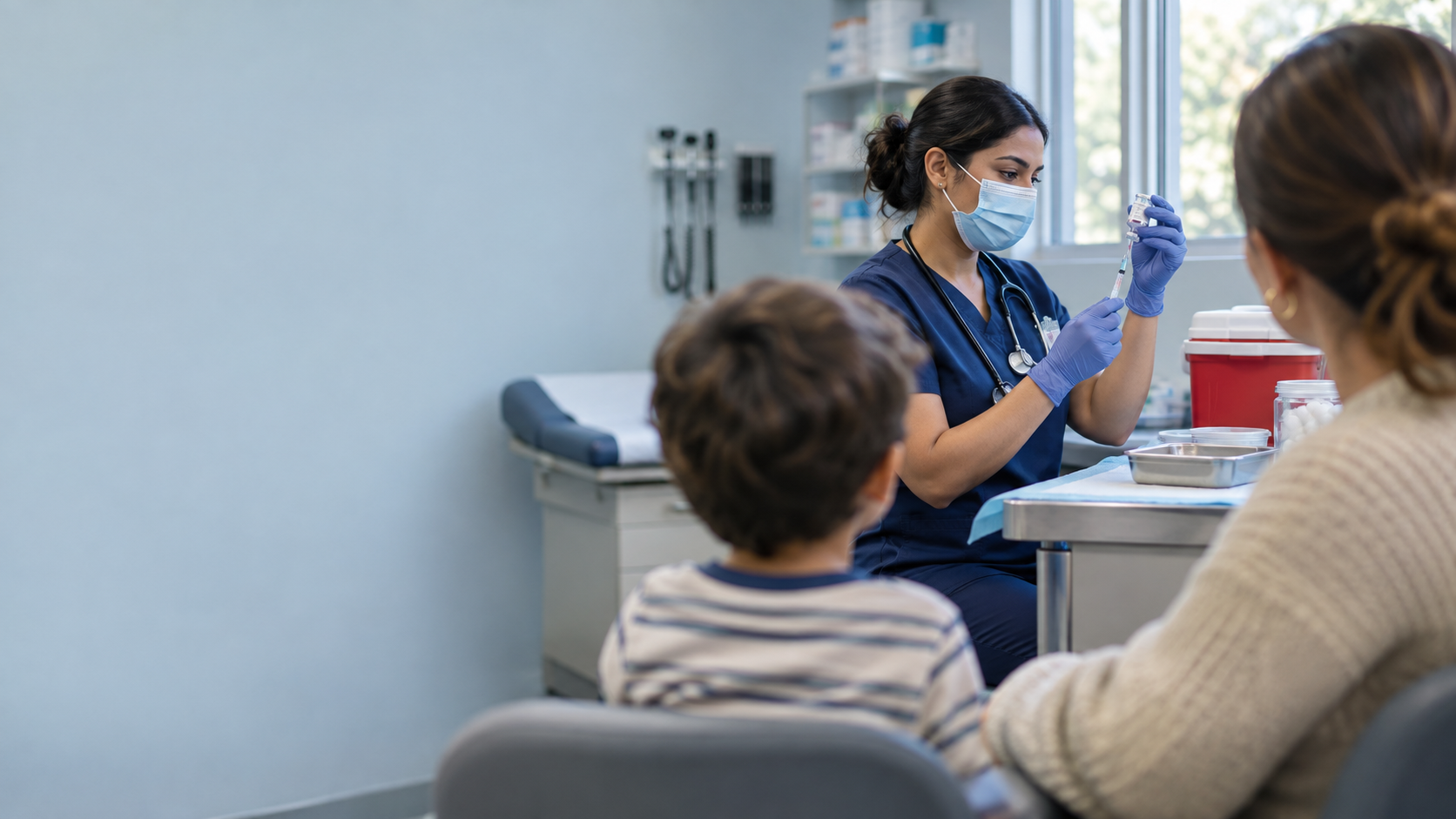 U.S. Measles-Elimination Status at Risk
-
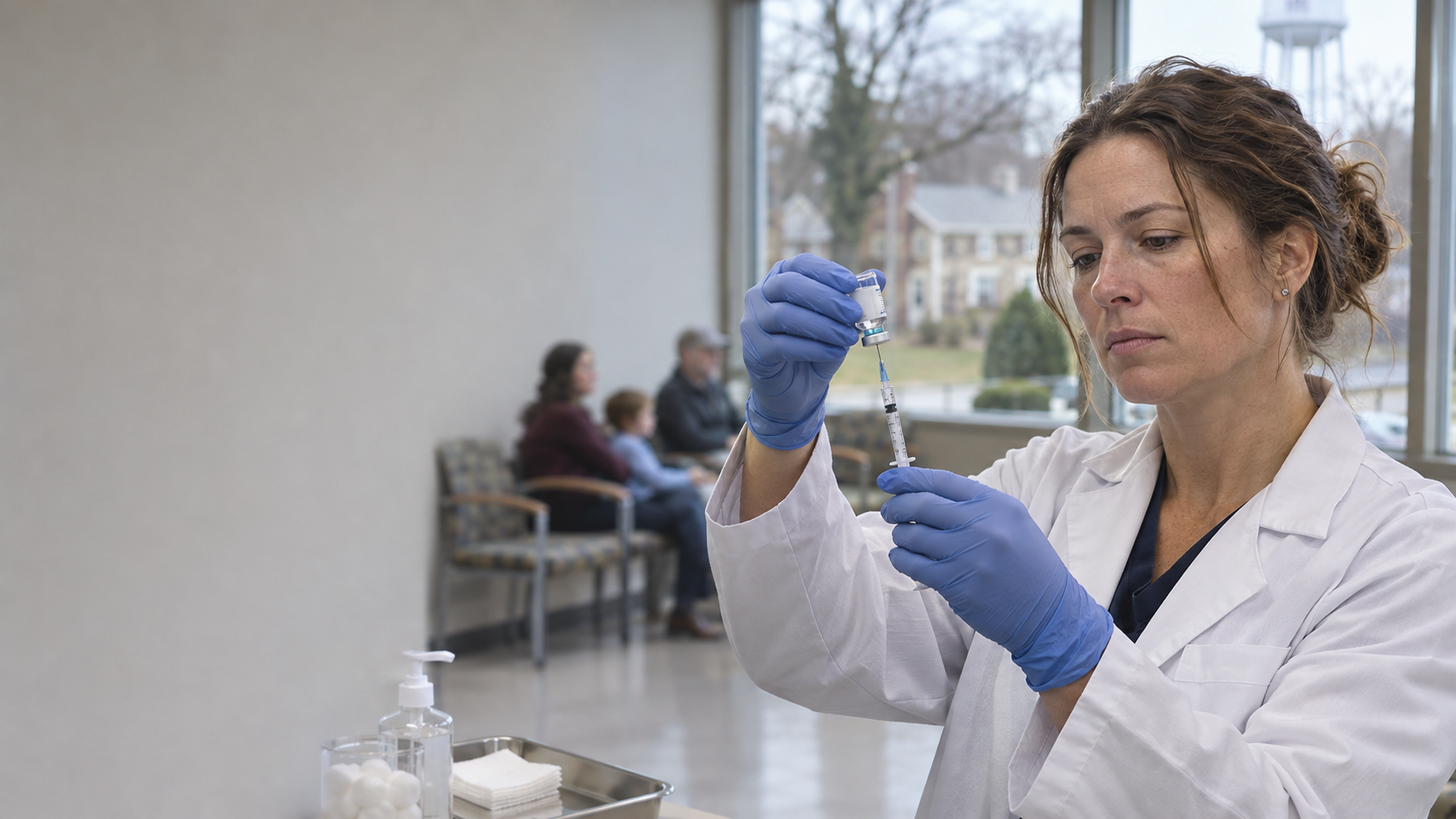 Measles Case Confirmed in Bucks County, Pennsylvania
-
 Smartphone Pinkie: Signs You Use Your Phone Too Much
-
 Retatrutide, Knee Osteoarthritis, and Weight Loss
-
 Experimental mRNA Therapy May Repair Heart Damage
-
 Why Patients Spend 24 Hours in Emergency Room Hallways