Shane Gillis Explains SNL Backlash and Gym Attire Remarks
Shane Gillis Explains SNL Backlash and Gym Attire Remarks
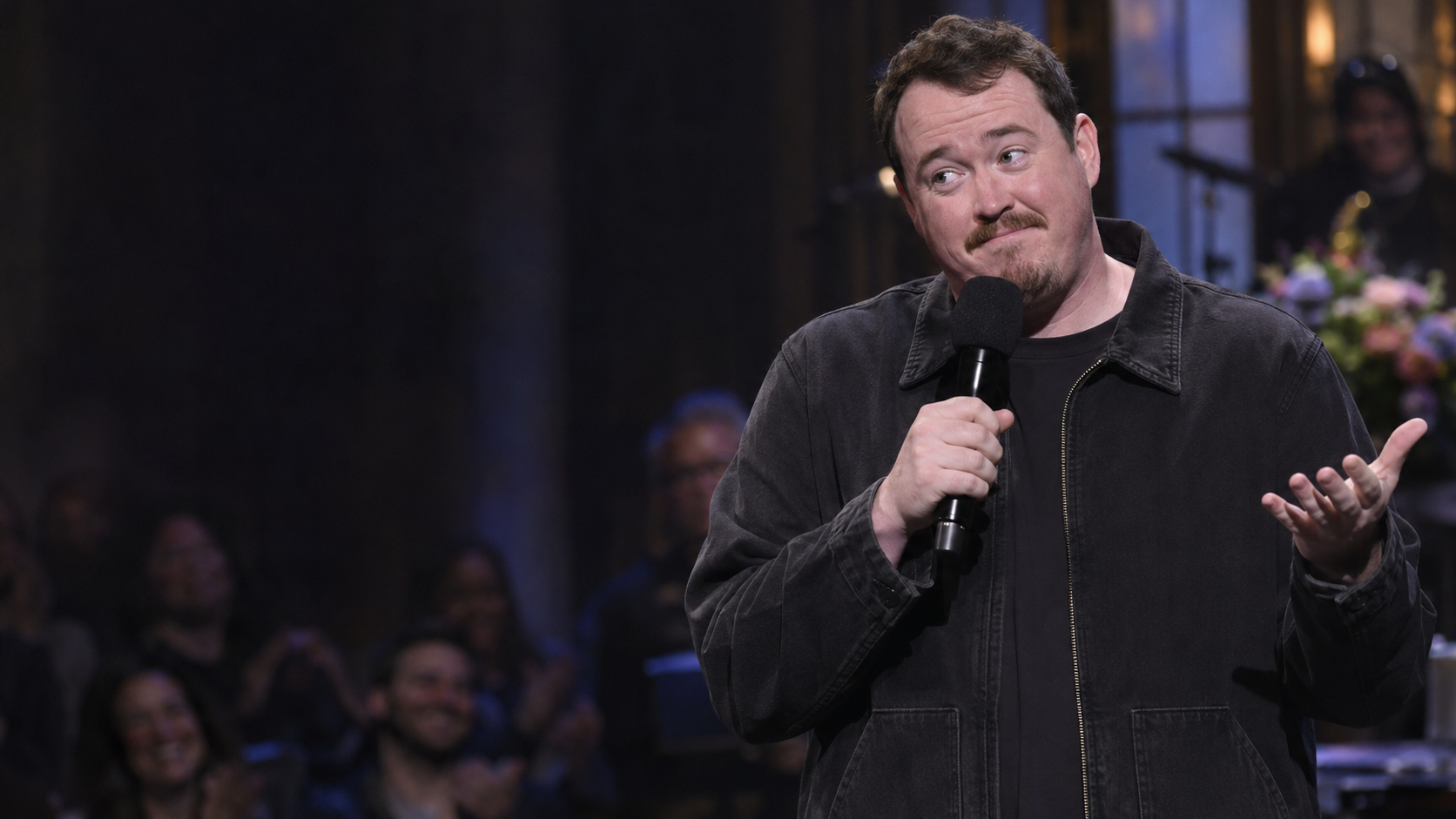
Shane Gillis said he was surprised by the backlash to his Saturday Night Live monologue and later clarified that he does not “have a problem” with how women dress at the gym. His comments drew attention because they combined two sensitive subjects: provocative comedy and the way remarks about women’s clothing can be interpreted outside a routine’s original context.
The discussion raises two separate questions: Why did Gillis say the reaction to his SNL monologue surprised him, and what did he mean when he said he does not object to women’s gym attire?
The available reporting confirms Gillis’s stated position but does not provide enough detail to reconstruct the complete monologue, identify every criticism, or establish a precise timeline. The clearest approach is to separate what Gillis said from how viewers interpreted the material.
What Shane Gillis Said About the SNL Backlash
Gillis Said the Reaction Surprised Him
The supplied reporting says Gillis was surprised by the backlash to his Saturday Night Live monologue. This indicates that he did not expect the level of criticism that followed the performance. Source 1
Being surprised by backlash does not necessarily mean Gillis rejected every criticism. The phrase can describe the intensity, reach, or persistence of public criticism without addressing whether any particular complaint was fair. It also does not mean he believed every viewer misunderstood the joke.
Three points should remain distinct:
- Gillis may have been surprised by the scale of the response.
- He may disagree with some interpretations of the monologue.
- Viewers may still have had legitimate, differing reactions to the material.
The supplied summaries do not identify the exact remarks that prompted the backlash, the people who criticized them, or the platforms where the response appeared. Those details should not be added without reviewing the full source material.
Why the SNL Setting Matters
A performance on Saturday Night Live reaches a broad television audience. Viewers may include longtime fans of Gillis’s comedy, casual viewers who know little about his work, and people encountering his style for the first time. That range can produce different interpretations of the same joke.
Stand-up comedy often depends on an established relationship between performer and audience. Regular listeners may recognize a comedian’s use of exaggeration, irony, recurring subjects, or deliberately uncomfortable premises. A mainstream television appearance offers less shared context, particularly when viewers are unfamiliar with the performer’s approach.
The SNL brand also carries its own expectations. The show is a high-profile comedy institution associated with topical humor, celebrity hosts, political satire, and cultural commentary. Viewers may evaluate a monologue not only as entertainment but also as a public statement delivered through a major television platform.
That context does not establish that a joke violated a specific rule or standard. It helps explain why the same material can be received differently on television than in a smaller comedy setting.
The Controversy Over Women’s Gym Attire
Gillis Said He Does Not “Have a Problem” With It
The second confirmed point is Gillis’s statement that he does not “have a problem” with how women dress at the gym. The wording appears to address an interpretation connected to his comedy or public comments. Source 3
The available summary does not include the full exchange. It does not provide the complete joke, the precise question Gillis was answering, or the context in which he made the statement. His position should therefore be represented narrowly: he said he does not object to women’s gym attire.
That statement should not be expanded into claims that he supports every clothing choice, agrees with every interpretation of the joke, or rejects all criticism. Nor should it be paraphrased as a broader statement about women, gender, or social behavior without support from the full article.
Clothing Choices and Comedy About Clothing Are Different
A comedian can discuss or joke about a subject without necessarily expressing a personal objection to it. Comedy often uses exaggerated, fictional, or deliberately uncomfortable premises. A performer may present an attitude to mock it, test it, or create tension around it.
Audiences may still interpret the material as revealing a personal belief. That interpretation can arise from the wording, apparent target, tone, or absence of a clear signal that the premise is fictional. A later explanation may clarify intent, but it cannot fully control how the original statement was understood.
The distinction is important:
- Gillis’s stated position: He said he does not “have a problem” with how women dress at the gym.
- The interpretive question: Viewers considered whether the comedy sounded judgmental or suggested that women should change their clothing.
- The broader issue: A joke can have an impact that differs from the speaker’s intended meaning.
Intent concerns what a speaker meant to communicate. Impact concerns how listeners experienced or interpreted the communication. Both can matter when a public figure explains controversial comedy.
Why Gym Attire Is a Sensitive Subject
Gym clothing intersects with comfort, privacy, body autonomy, exercise, and social judgment. People choose athletic clothing for many reasons, including movement, temperature, personal preference, performance, and convenience. Comments about that clothing can therefore be heard as more than casual observations.
Remarks about women’s gym attire may also be perceived as placing responsibility on women for other people’s reactions. That perception depends heavily on framing. A joke might focus on the speaker’s discomfort, criticize social expectations, or imply that women should dress differently. These are different messages, even when they involve the same subject.
The supplied sources do not provide enough detail to determine which framing best describes Gillis’s original material. Assigning a specific meaning to the joke without the full transcript or article context would be inaccurate.
The central question is not only what clothing appears in a joke. It is also who is being judged, who is expected to change, and whether the comedy challenges or reinforces that judgment.
How the Two Issues Became Connected
The supplied reports connect Gillis’s surprise over the SNL backlash with his clarification about women’s gym clothing. The factual connection is that Gillis discussed both subjects. The sources do not establish that the gym-attire comment directly caused the SNL backlash.
The common thread is public interpretation of provocative comedy. Gillis’s comments show how a joke can lead to questions about a comedian’s personal views, particularly when the subject involves gender, appearance, or social expectations.
A careful account should distinguish reported fact from analysis:
- Reported fact: Gillis said the backlash to his SNL monologue surprised him.
- Reported fact: He said he does not “have a problem” with how women dress at the gym.
- Analysis: The response reflects disagreement over how comedy about clothing and gender should be understood.
The available information does not show that the backlash was unanimous, that every criticism focused on gym attire, or that Gillis’s clarification resolved the dispute.
Comedy, Intent, and Audience Interpretation
Comedy often depends on exaggeration, irony, awkwardness, and social tension. A joke may invite the audience to laugh at a premise, the speaker’s discomfort, or a contradiction within a social norm. Not every viewer will identify the target in the same way.
Some audience members may view a provocative line as satire. Others may understand the intended punchline but still object to the premise. Some may believe that a joke criticizes a social attitude, while others may hear it as criticism of the people described.
Those reactions can coexist. Understanding the intended joke does not require approving of it. Likewise, objecting to a joke does not prove that the comedian literally believes every idea expressed through the performance.
Gillis’s later statement addresses his claimed personal position on women’s gym attire. It does not determine whether the original comedy was effective, fair, or persuasive. Viewers can evaluate the wording, target, and impact for themselves.
What the Supplied Reporting Confirms
The relevant supplied reports support three limited conclusions:
- Gillis said he was surprised by the backlash to his SNL monologue.
- He said he does not “have a problem” with how women dress at the gym.
- He discussed his views on Saturday Night Live.
Source 1 provides the summary connecting Gillis’s surprise about the backlash with his statement about gym attire. Source 1
Source 3 also reports that Gillis said he does not have “a problem” with women’s gym attire and discussed Saturday Night Live, but the supplied excerpt provides limited detail. Source 3
The full articles should be reviewed before adding quotations, chronology, or descriptions of the original routine.
What Should Not Be Added Without Verification
The available summaries do not support claims about:
- The exact date of the monologue.
- The complete wording of the routine.
- The identities of specific critics.
- Social media statistics.
- Ratings or viewership numbers.
- An apology or retraction.
- Responses from NBC, SNL, or other performers.
- The precise cause of the backlash.
- The full context of the gym-attire discussion.
Sources 2 and 4 through 10 do not contain substantive, verifiable information about Gillis, SNL, or women’s gym attire. They should not be used to support claims in this article.
Limiting the article to verified points produces a more accurate account and avoids turning a short clarification into a broader position that the available reporting does not establish.
Why Public Figures Clarify Controversial Jokes
A clarification can respond to an interpretation that the speaker considers inaccurate. In Gillis’s case, the relevant clarification is his statement that he does not object to how women dress at the gym.
Such a statement can separate several elements that audiences may have treated as one:
- The premise of a comedic routine.
- The comedian’s personal belief.
- The social issue raised by the joke.
- The audience’s interpretation of the material.
A joke can use a viewpoint without endorsing it. However, that distinction is not always obvious from a short performance. Viewers may assess the material based on the words they heard rather than an explanation offered later.
A clarification may answer a question about intent while leaving questions about impact unresolved. Audiences can continue to criticize the original material after hearing the comedian’s explanation.
Gillis’s statement may clarify that he does not personally object to women’s gym clothing. It does not settle whether viewers considered the joke dismissive, judgmental, or effective.
The Broader Debate About Comedy on Mainstream Television
Saturday Night Live is a high-profile comedy platform with a broad audience. Performances on the show are often judged as both entertainment and public cultural commentary. That dual role creates pressure for comedians whose material relies on provocation.
Comedy benefits from creative freedom, including the ability to address uncomfortable subjects. Viewers also bring expectations about responsibility, sensitivity, and context. A short monologue may not provide enough time to explain every layer of a joke, especially when the audience includes people unfamiliar with the performer.
Mainstream television can amplify comedy while reducing the shared context that helps explain it. A line that receives a knowing response from a familiar audience may seem different when broadcast to millions of viewers with varied expectations.
Backlash does not automatically prove that a joke failed, nor does it prove that criticism was unreasonable. It demonstrates that the material produced disagreement.
Conclusion
Shane Gillis said he was surprised by the backlash to his Saturday Night Live monologue. He also said he does not “have a problem” with how women dress at the gym. These are the two confirmed points at the center of the discussion.
The larger issue involves the gap between intended meaning and audience impact. A comedian may use exaggeration or provocation without personally endorsing a joke’s premise. Viewers may still interpret the material as judgmental or object to its framing.
Context matters because SNL reaches a broad audience, while comments about women’s clothing carry social meaning beyond an individual punchline. A later clarification can explain intent, but it cannot erase the reaction produced by the original performance.
The available reporting supports Gillis’s narrow statement about women’s gym attire but does not support broader conclusions about his views or settle how the joke should be understood.
Frequently Asked Questions
Why was Shane Gillis surprised by the SNL monologue backlash?
The supplied reports say Gillis was surprised by the backlash, indicating that he did not expect the level of criticism that followed the monologue. The available summaries do not explain precisely which reactions surprised him most.
What did Shane Gillis say about women’s gym clothing?
Gillis said he does not “have a problem” with how women dress at the gym. The supplied material does not include the complete surrounding exchange, so the statement should not be expanded without reviewing the full article.
Did Shane Gillis say that women should dress differently at the gym?
The supplied sources do not support that claim. They report that he said he does not “have a problem” with women’s gym attire. Any broader interpretation would require the full transcript or additional verified reporting.
Why can a joke receive backlash if the comedian says it was not meant literally?
Comedy often uses exaggeration, irony, and provocative premises. Audiences may still object to a joke’s implication, framing, or apparent target even when the comedian says it does not express a personal belief.
Does Gillis’s clarification settle the controversy?
No. His clarification addresses his stated intent, but viewers may continue to evaluate the original joke based on its wording, context, and perceived impact.
Which sources provide the relevant information?
Source 1 and Source 3 provide the relevant supplied reporting about Gillis, his SNL monologue, and his comments on women’s gym attire. The other listed sources contain no substantive, verifiable information related to this topic and are not used here.
Artikel Terkait
-
 Gunn Denies Skydance Recut of Superman: Man of Tomorrow
-
 Johnny Depp’s Ebenezer Could Mark a Box Office Comeback
-
 Ebenezer Box Office: Johnny Depp Film Leads Opening Day
-
 Shane Gillis Gave His SNL Monologue a C Minus
-
 James Gunn Addresses Skydance Rumors About Man of Tomorrow
-
 King Charles Jokes With Elton John on Rocket Hour